Biggest Katar Pro Xt Buying Mistakes (And How to Avoid Them)
The Katar Pro Xt is often recommended as a lightweight, budget-friendly gaming mouse with a compact ambidextrous profile. For many buyers, it promises responsive tracking, minimal latency, and an unobtrusive shape that suits competitive FPS play and everyday desktop work alike. Yet shoppers make predictable mistakes when deciding whether this mouse is the right fit. This article walks through the most common buying errors, examines the Katar Pro Xt in practical detail, compares it to reasonable alternatives, and offers a buying guide so readers can make a confident, long-term choice.
Introduction: Why the Katar Pro Xt attracts buyers
Buyers are drawn to the Katar Pro Xt for a few clear reasons: a reputation for being lightweight and responsive, a compact profile that appeals to claw and fingertip grippers, and straightforward functionality with minimal bloat. In an era where high-end mice can cost as much as a console, a simple, well-tuned option is attractive. However, a clean marketing message and positive streamer coverage don’t guarantee that the mouse will suit every buyer’s hands, desk, and goals. The next sections unpack what matters in practice and where people go wrong.
Detailed product review and practical analysis
Design and ergonomics
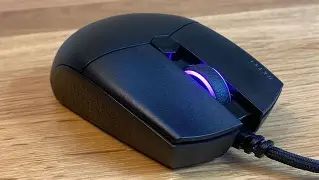
The Katar Pro Xt follows an ambidextrous, low-profile silhouette that aims to suit small to medium hand sizes. In real-world use, its compact shell favors claw and fingertip grips—players who palm the mouse fully may find their hands feel cramped during long sessions. Buyers who expect a universal fit sometimes discover that prolonged use causes tension in the wrist or fingers.
Material choice is usually matte plastic with textured elements where fingers rest. That gives the mouse decent sweat resistance and grip without aggressive side grips. For someone using a fast glide surface and a fingertip grip, this design reduces unintentional contact during quick flicks. However, people who prefer a deep, ergonomic cradle with thumb contours will miss the extra support.
Sensor and performance
Performance-focused buyers frequently evaluate the Katar Pro Xt by its tracking and consistency. In everyday gaming scenarios—aim training, quick flicks in FPS titles, and precise cursor work in design software—the mouse performs reliably. It targets competitive play with tight tracking and low latency. Real-world testing on a variety of mousepads and at different DPI settings demonstrates consistent behavior, but buyers should still validate that the mouse tracks cleanly at their preferred sensitivity rather than assuming all sensors behave identically.
Buttons, switches, and longevity
The Katar Pro Xt ships with responsive main buttons and a standard suite of side buttons for programmable inputs. Buyers concerned about click feel and switch durability should note that the tactile profile is usually designed to balance actuation force and travel—good for rapid clicking without feeling mushy. Longevity in real-world use depends on handling: heavy clickers and users who travel with the mouse will stress switches and finishes faster than casual users.
Cable and build details
While wireless mice avoid cable drag, the wired Katar Pro Xt typically uses a flexible cable that minimizes resistance during play. The cable quality is an underrated detail: a stiffer cable can create drag and affect aim, especially for low-sensitivity players. In practice, buyers who pair the mouse with a cable bungee or a very smooth paracord-like cable will notice the difference in consistency.
Software and customization
Software support determines how much a buyer can tune DPI steps, polling rate, button assignments, and lighting (if present). The Katar Pro Xt generally offers basic but functional customization suitable for most users. Buyers who expect deep macro scripting or cloud profile sync should check the software’s feature set; some third-party tools can extend functionality but require technical comfort.
Shop the latest Electronics picks on Amazon.
See Deals →Common buying mistakes and how to avoid them
- Ignoring grip style and hand size. Many purchasers buy based on aesthetics or streamer recommendations without measuring their hand or trying a similarly sized mouse. How to avoid: measure palm length and width, and compare that to user feedback from people with comparable hand sizes. Test a compact ambidextrous mouse in-store if possible.
- Overvaluing DPI numbers. Marketing often highlights high DPI values, but real-world sensitivity and sensor precision matter more. How to avoid: focus on consistency at the DPI ranges actually used (commonly 400–1600 DPI for competitive FPS), not headline figures.
- Neglecting cable drag and ergonomics. Buyers assume all wired mice behave the same, but cable stiffness can affect aiming. How to avoid: look for reports on cable feel, consider a bungee, or choose a mouse with a flexible cable if low-sensitivity play is intended.
- Confusing ambidextrous with ergonomic. Ambidextrous shapes are neutral; they don’t always provide the thumb or palm support right-handed ergonomic users expect. How to avoid: identify grip style first and prioritize it over ambidextrous claims.
- Assuming software is unnecessary. Some users dismiss software, then find the default button mapping or sensitivity steps limiting. How to avoid: check the software capability before buying if custom macros or DPI steps are required.
- Not checking warranty and return policy. A mouse that feels wrong after several sessions should be returnable. How to avoid: buy from a retailer with a clear return window or confirm the manufacturer warranty period.
Pros & Cons
- Pros
- Lightweight profile suited to quick flicks and competitive play
- Compact ambidextrous shape comfortable for claw and fingertip grips
- Straightforward software for essential tuning
- Good value for buyers who want performance without complexity
- Cons
- Not ideal for large-handed users who prefer palm grip
- Limited advanced customization compared with premium mice
- Cable feel can influence aim; some buyers may prefer wireless options
- Side button placement may not suit every hand or grip
Comparison: Katar Pro Xt versus similar mice
| Feature | Katar Pro Xt | Common Compact Lightweight Alternative | Small Ergonomic Palm Option |
|---|---|---|---|
| Shape | Ambidextrous, low-profile | Ambidextrous, slightly taller | Right-handed ergonomic |
| Target grip | Claw, fingertip | Fingertip, claw | Palm |
| Weight category | Lightweight (easy flicks) | Ultra-lightweight (very low mass) | Moderate (stability over speed) |
| Customization | Basic DPI, button mapping | Advanced software, onboard profiles | Good software, ergonomic presets |
| Cable vs Wireless | Wired (low latency) | Both wired and wireless variants exist | Usually wireless variants available |
| Best use case | Competitive FPS for smaller hands; casual productivity | Esports-level play, minimal weight fans | Long sessions, comfort-focused gamers |
Note: The comparison intentionally uses descriptive categories rather than precise numeric specifications. Buyers should match their priorities—speed, comfort, or customization—to the attributes listed.
Buying guide: How to choose the right Katar Pro Xt (or alternative)
1. Define primary use cases
Decide whether the mouse will be used primarily for competitive gaming, casual gaming, office productivity, or mixed use. Competitive FPS players often prioritize weight, sensor reliability, and low-latency connection. Content creators may emphasize programmable buttons and comfort for long editing sessions. Knowing the primary use case narrows the field considerably.
2. Know your grip and hand dimensions
Measure hand length (base of palm to tip of middle finger) and hand width across the palm. Compare those measurements with user reviews that specify hand sizes. For example, a compact ambidextrous mouse benefits those with shorter hand length and those who use fingertip or claw grips. Buyers with large hands or a palm grip should try a larger ergonomic mouse first.
3. Sensitivity and DPI in context
DPI value alone is a poor indicator of mouse suitability. Most competitive players operate within a relatively low DPI band and rely on consistent sensor tracking. Look for user reports of performance at the DPI the buyer intends to use, and test the mouse on the same surface as daily use when possible.
4. Consider cable and surface interaction
Wired mice are often more consistent for low-latency play, but cable characteristics matter. If a buyer uses low sensitivity and broad arm movements, even a moderately stiff cable can alter feel. Consider a bungee or choose a mouse with a soft paracord-style cable. For wireless preference, confirm battery life and latency specs align with competitive needs.
5. Evaluate software and driver ecosystem
Confirm that the manufacturer software provides the needed features: DPI increments, polling rate options, button remapping, and profile management. Buyers who use multiple systems or need cross-platform support should check software availability for other operating systems or the presence of onboard memory for saved profiles.
6. Test for build quality and button feel
If possible, click the mouse in a store or on a demo unit. Button travel, tactile feedback, and side button placement will affect long-term satisfaction. Heavy clickers should look for a mouse with reinforced switches or a known track record of durability.
7. Check returns and warranty before purchasing
A generous return policy enables a real-world trial period: after several hours of use, shape or button placement issues often become evident. Verify warranty terms, especially for switches and sensor-related defects, and retain purchase receipts should a warranty claim become necessary.
Find top-rated Electronics products at great prices.
Browse Now →8. Read diverse user feedback
Rather than relying on a single review, read multiple user experiences, focusing on comments from people who match the buyer’s hand size and use-case. Look for reports on long-term durability, software updates, and consistency after months of use.
Real-world use cases: matching expectations to reality
Competitive FPS player: A player who practices with low sensitivity and relies on wide arm movements will appreciate the Katar Pro Xt’s low mass and crisp tracking. However, they must ensure the cable is unobtrusive or choose a wireless alternative if they prioritize zero drag.
Casual gamer and multitasker: For someone who switches between gaming and spreadsheets, the Katar Pro Xt’s compact footprint can be an asset. The small design permits quick repositioning and precise cursor control, but users should evaluate button mapping for productivity tasks (macros for repetitive commands can be a plus).
Traveling professional or LAN attendee: Light weight is advantageous for portability, and the wired configuration means no battery to manage. Buyers who travel should confirm build sturdiness and consider a padded case to limit wear on buttons and finish.
Creative professional: Photo editors and digital artists often prefer a heavier, more stable mouse and ergonomic comfort for long sessions. The Katar Pro Xt can work for precision if the user is comfortable with a small shape, but many creatives favor a larger, contoured mouse to reduce fatigue.
Conclusion
The Katar Pro Xt offers a compelling package for buyers who prioritize a compact, lightweight, and straightforward gaming mouse. Many of the most common buying mistakes—ignoring grip type, overemphasizing DPI, overlooking cable drag, or neglecting return policies—are avoidable with a few simple checks. Buyers who match the Katar Pro Xt’s strengths to their primary use case (competitive FPS at moderate hand sizes, frequent travel, or a desire for a nimble, responsive mouse) are likely to be satisfied. Those seeking a deep ergonomic cradle, advanced macro ecosystems, or a larger palm-friendly shell should consider alternatives. Doing the measurement, trying the mouse when possible, and verifying return and warranty terms will prevent buyer’s remorse and ensure the chosen mouse supports hours of comfortable, precise use.